
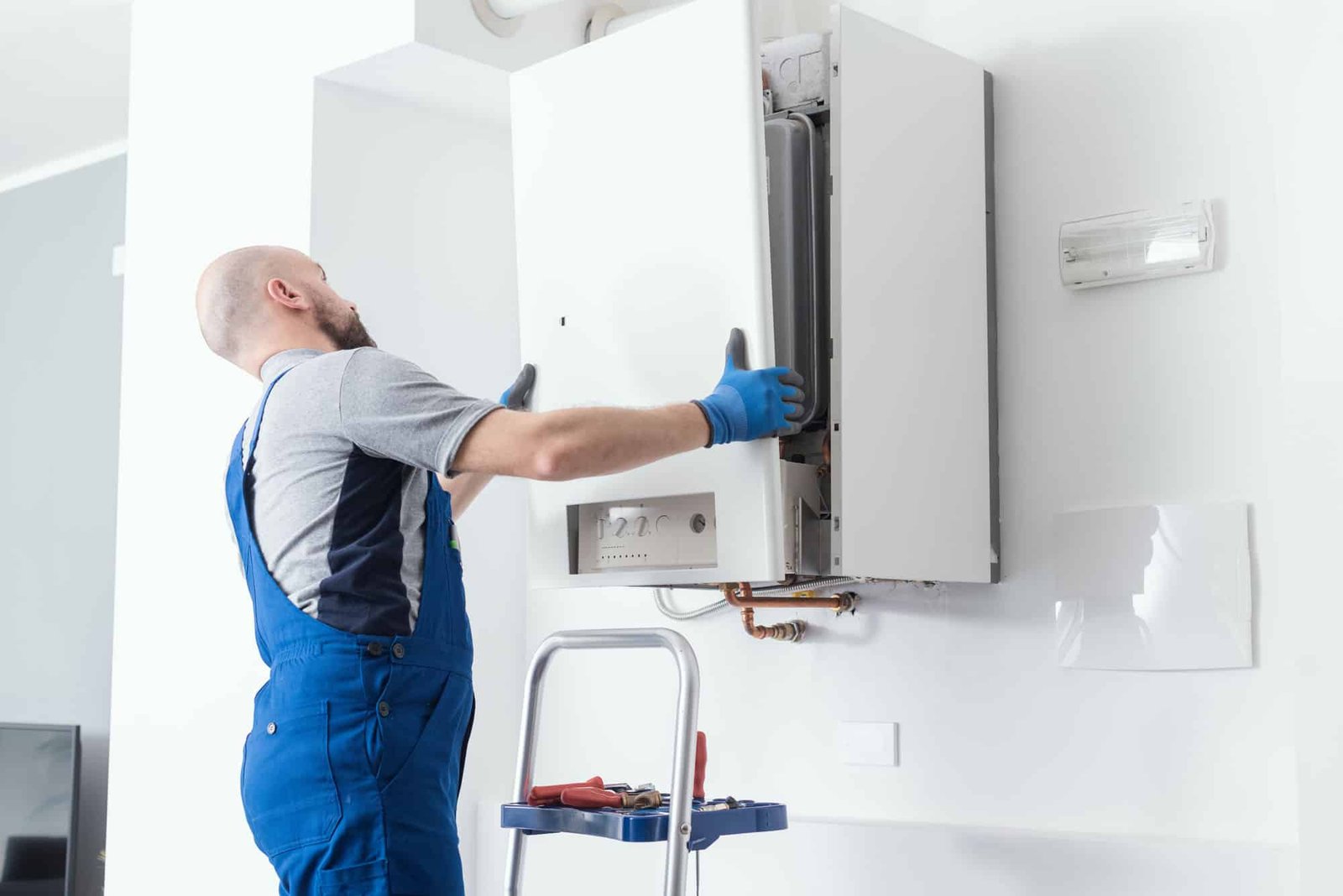
It never happens in September when the weather is nice and contractors are easy to book.
It happens at 11pm on a Tuesday in January. Your boiler stops working, the apartment is getting cold, and you’ve got kids or elderly parents at home. You’re scrambling to find someone who actually picks up the phone.
If you’re a homeowner in Forest Hills or anywhere in Queens, you already know this feeling. And you’re not unlucky — there’s actually a reason heating systems tend to fail in winter, and understanding it can save you a lot of stress and money.
Think of your boiler or furnace like a car engine. If you only drive it occasionally during mild weather, it coasts. But the moment temperatures in Queens drop into the 20s and your system has to run hard, nonstop, for days — that’s when weak points give out.
Older systems that haven’t been serviced accumulate small problems all year: sediment buildup, worn igniters, pressure issues, cracked heat exchangers. None of them cause a breakdown when the system is barely running. But put that system under full winter load and something gives.
That’s why we see a huge spike in emergency boiler repair and furnace repair calls in Forest Hills every December and January — not because the cold itself breaks the system, but because the cold exposes what was already wrong.
These are the most common things people brush off — right up until they’re calling for emergency service on a freezing night:
Forest Hills has a mix of older pre-war buildings and newer construction, which means you’ll find both boilers and furnaces throughout the neighborhood.
Boilers (very common in older Queens homes and apartment buildings) heat water and distribute warmth through radiators or radiant floor systems. Common problems include pressure buildup, pilot light failure, leaking valves, and kettling from sediment.
Furnaces push heated air through ductwork. Common problems include dirty or clogged filters, ignitor failure, blower motor issues, and cracked heat exchangers — the last one being a safety concern because it can allow carbon monoxide to enter your living space.
Neither system gives you much warning before a full breakdown. That’s exactly why a pre-season checkup before winter hits is the single best thing you can do as a Queens homeowner.
Stay calm — here’s the order of operations:
We hear this every year from Forest Hills homeowners. The heat came back on, the crisis passed, and the repair got pushed to spring.
Then spring becomes summer. Summer becomes fall. And by the time you remember — it’s December again and the system is in worse shape than before.
Small boiler repairs that cost a few hundred dollars in the fall routinely turn into full system replacements in January when the damage has compounded. Water heater repairs that were minor become burst tanks and water damage. The math on “I’ll deal with it later” almost never works out.
You don’t need to overthink this. A simple annual service before the heating season covers most of what goes wrong:
Most of this takes under two hours and costs a fraction of what emergency repairs run during peak winter demand.
At Forest Hills HVAC & Air Conditioning, we’re not a big call center operation dispatching techs from three boroughs away. We’re based here in Queens, we know these buildings, and we know what the heating systems in this neighborhood need.
When your boiler goes down at night, we pick up. When you need a water heater replacement in Forest Hills on short notice, we show up the same day. That’s not a marketing line — it’s just how we operate.
If your heating system has been giving you any of the warning signs above, don’t wait for it to become an emergency. Give us a call or shoot us a message and we’ll come take a look — no pressure, honest assessment, fair price.
Your home should be warm. Let’s keep it that way.